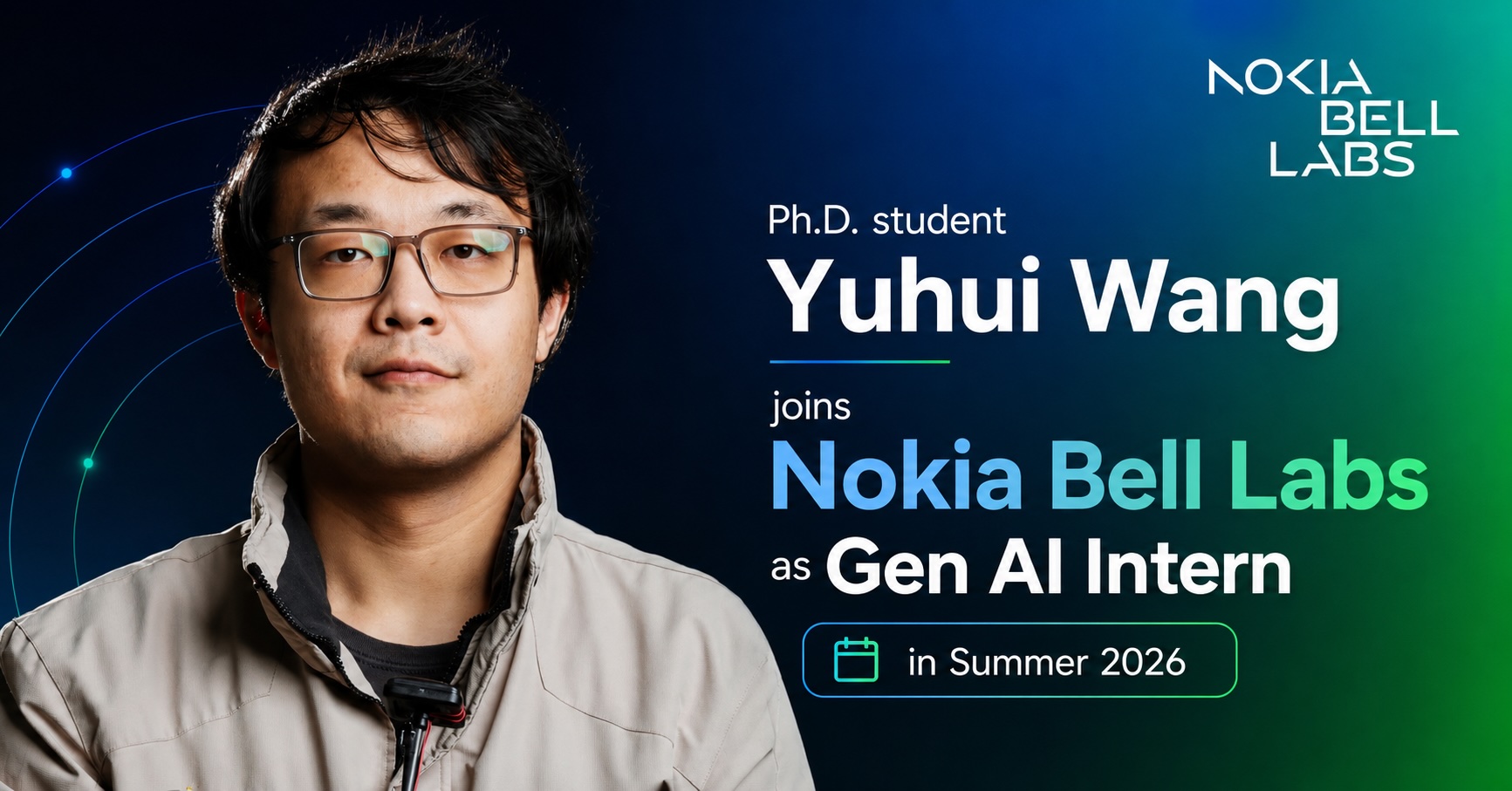
Ph.D. student Yuhui Wang joins Nokia Bell Labs as a Generative AI Intern for Summer 2026.
I am an Associate Professor of Electrical and Computer Engineering at the University of Michigan-Dearborn working at the intersection of wireless communications, cybersecurity, and AI-driven network management. My research develops secure and resilient NextG networks, cyber-physical systems, and ultra-reliable low-latency communications for mission-critical applications.
Ph.D. student Yuhui Wang joins Nokia Bell Labs as a Generative AI Intern for Summer 2026.
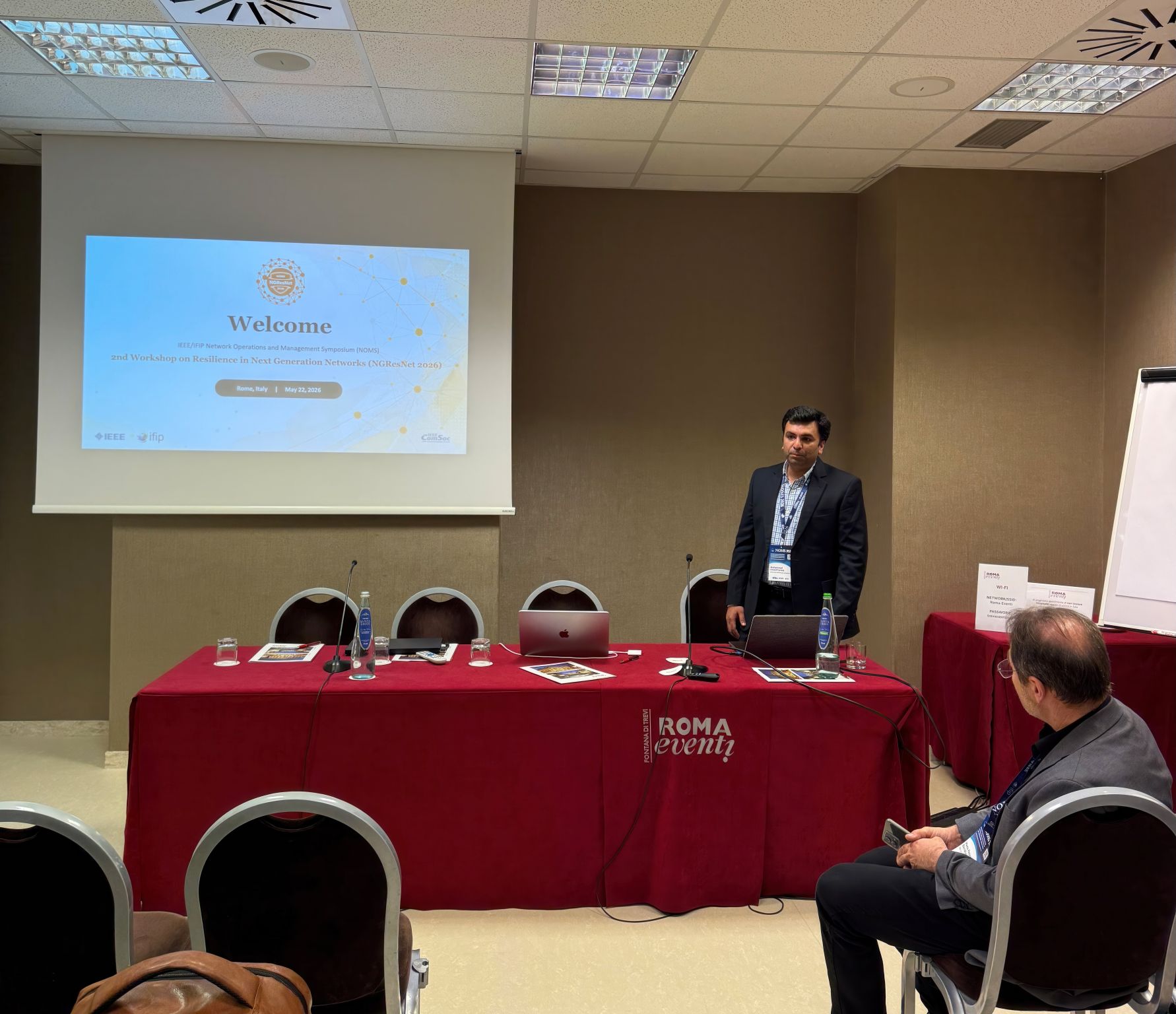
Organized the 2nd Workshop on Resilience in Next Generation Networks (NGResNet) at IEEE/IFIP NOMS 2026 in Rome, with a keynote by Dr. Hans-Peter Bernhard.
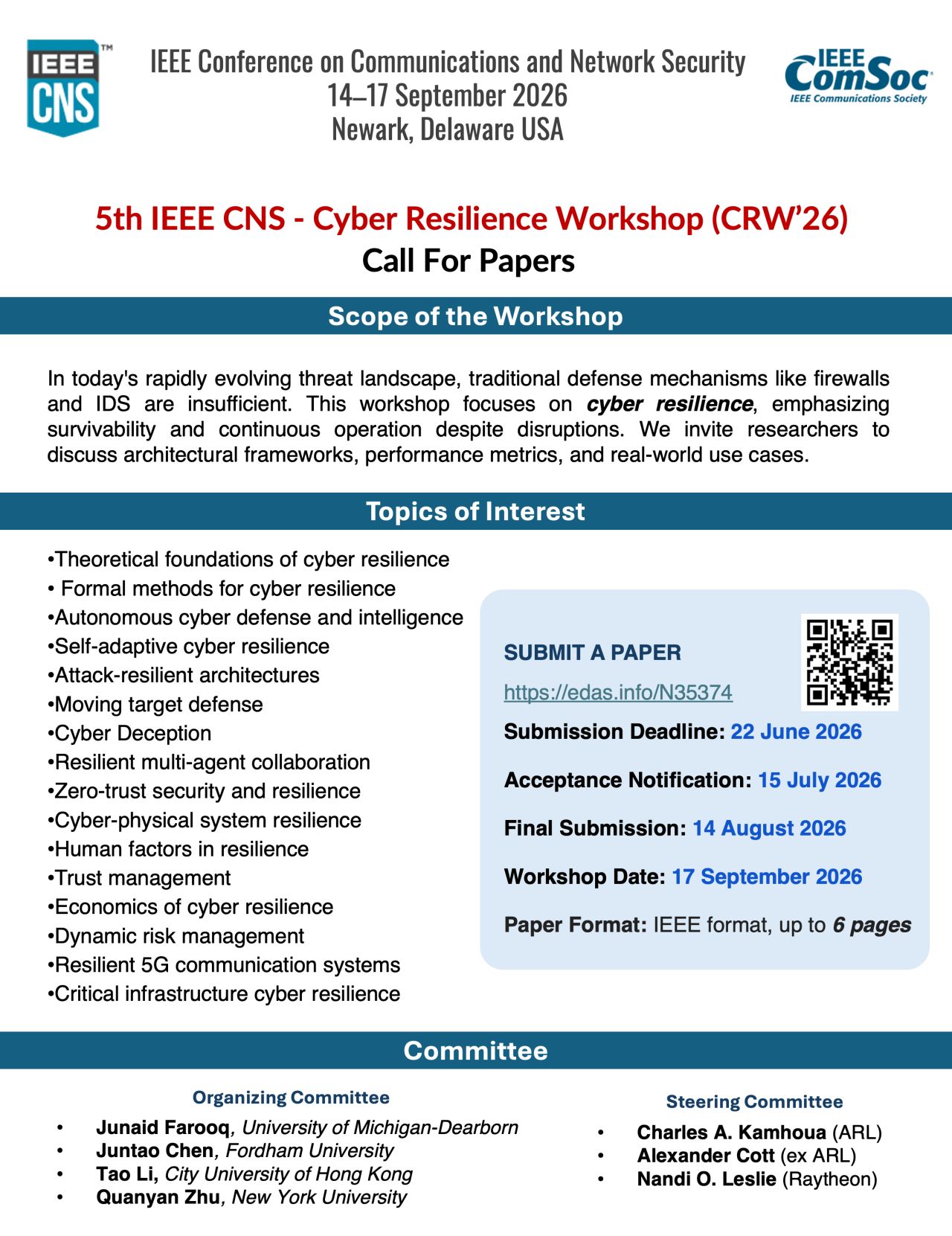
Co-organizing the 5th IEEE CNS Cyber Resilience Workshop (CRW'26) in Newark, Delaware. Call for papers open, with a submission deadline of June 22, 2026.
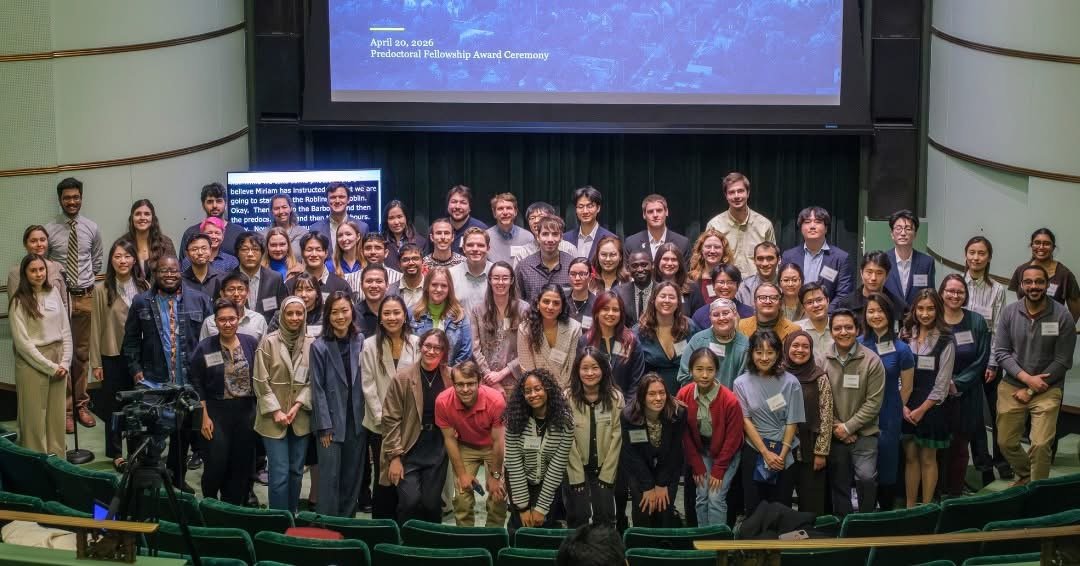
Yuhui Wang attended the ceremony recognizing Rackham Predoctoral Fellows in Ann Arbor.
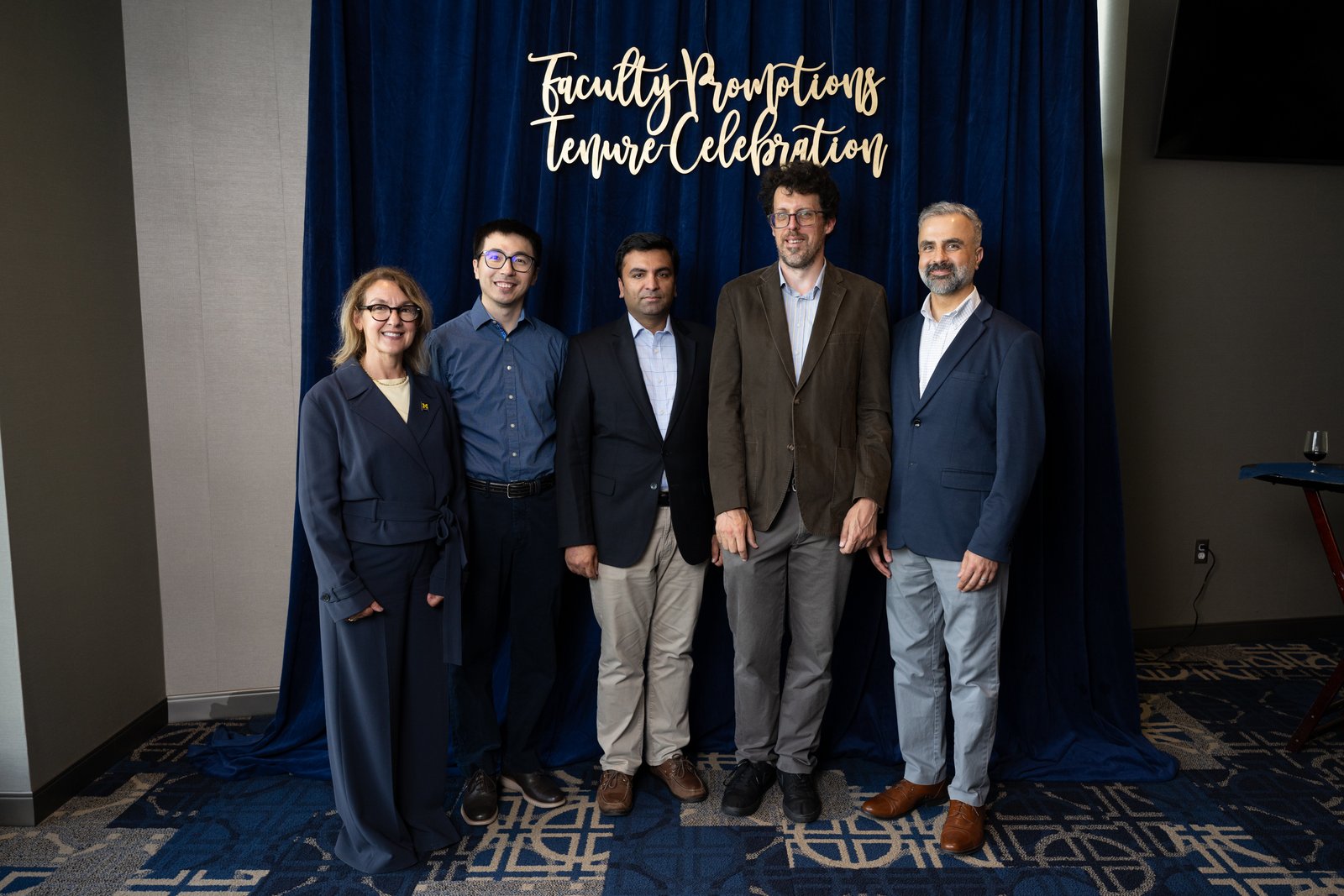
Promoted to Associate Professor of Electrical and Computer Engineering with tenure, approved by the U-M Board of Regents.
Yuhui Wang received his Rackham Predoctoral Fellowship certificate from Rackham Dean Dewey Jung, recognizing his research on aerial communication systems.
Yuhui Wang and Xingqi Wu received pins at the CECS Doctoral Pinning and Recognition Ceremony, celebrating their advancement to candidacy.
Lab members presented their research posters at the CECS Research Poster Competition.
Co-organized the inaugural Dearborn Automation and Intelligent Systems (DAISY) Symposium at UM-Dearborn with Karishma Patnaik, drawing over 8,000 impressions across the DAISY community. The 2026 theme, NextG Networks and Smart Manufacturing, featured keynotes by Majid Butt (Nokia Bell Labs), Haneya Naeem Qureshi (General Motors), and Georges Ayoub (UM-Dearborn), followed by a cross-industry panel. Supported by the UM Bold Challenges Pollination Award. DAISY will run annually going forward.
The CyReN Lab and Ph.D. researcher Elahe Delavari featured in UM-Dearborn's Campus in Focus: March Maize-ness.
Elahe Delavari participated in the Three Minute Thesis (3MT) competition at the University of Michigan-Dearborn.
Invited talk at Grand Valley State University: "Enabling Assured Autonomy: AI-Driven Optimization and Reliability in Next-Generation Networks."
Filed U.S. provisional patent application: "Online Detection and Containment of Disruptive User Equipment (UE) in Radio Access Networks." Inventors: X. Wu and J. Farooq (Application No. 64/080,683).
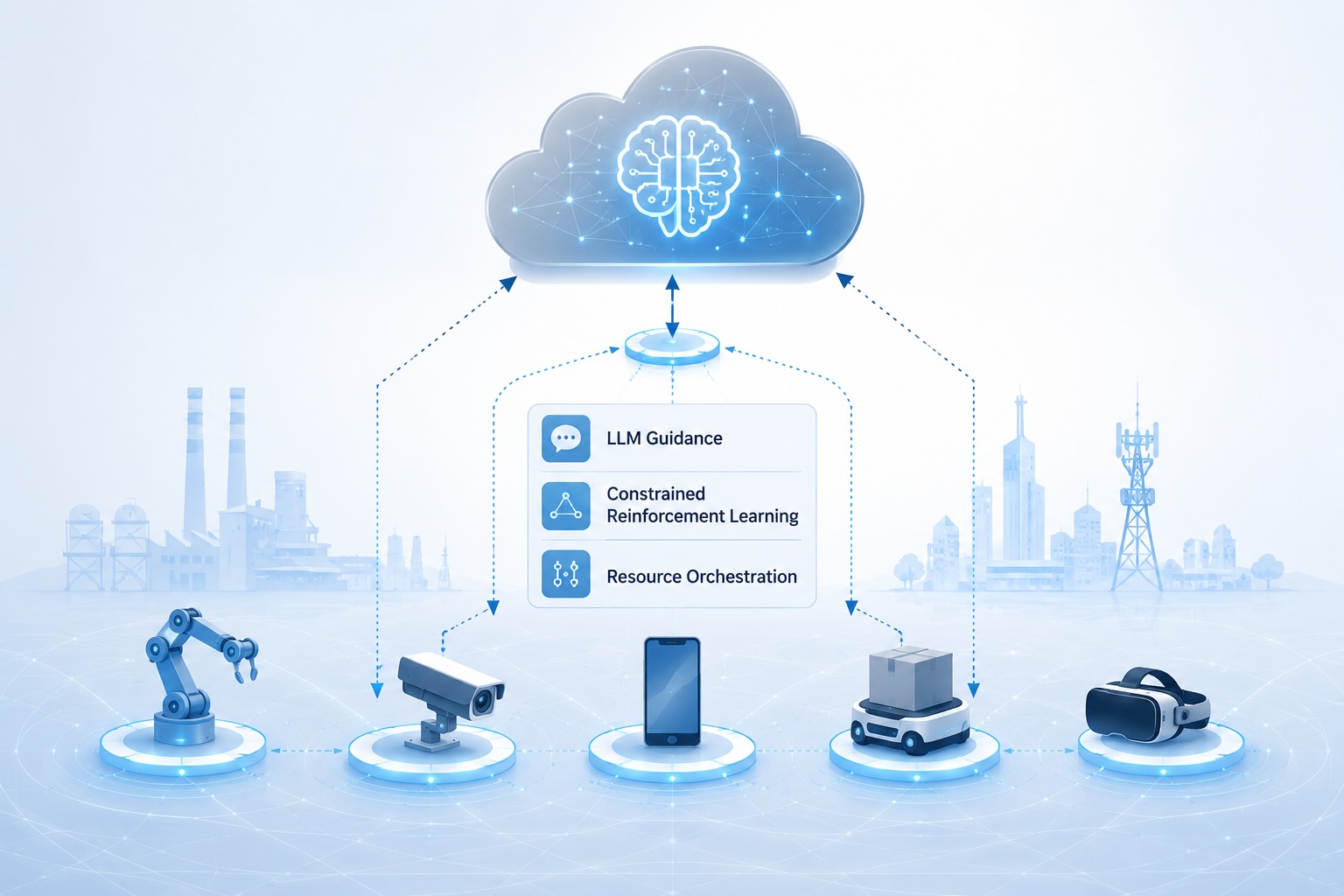
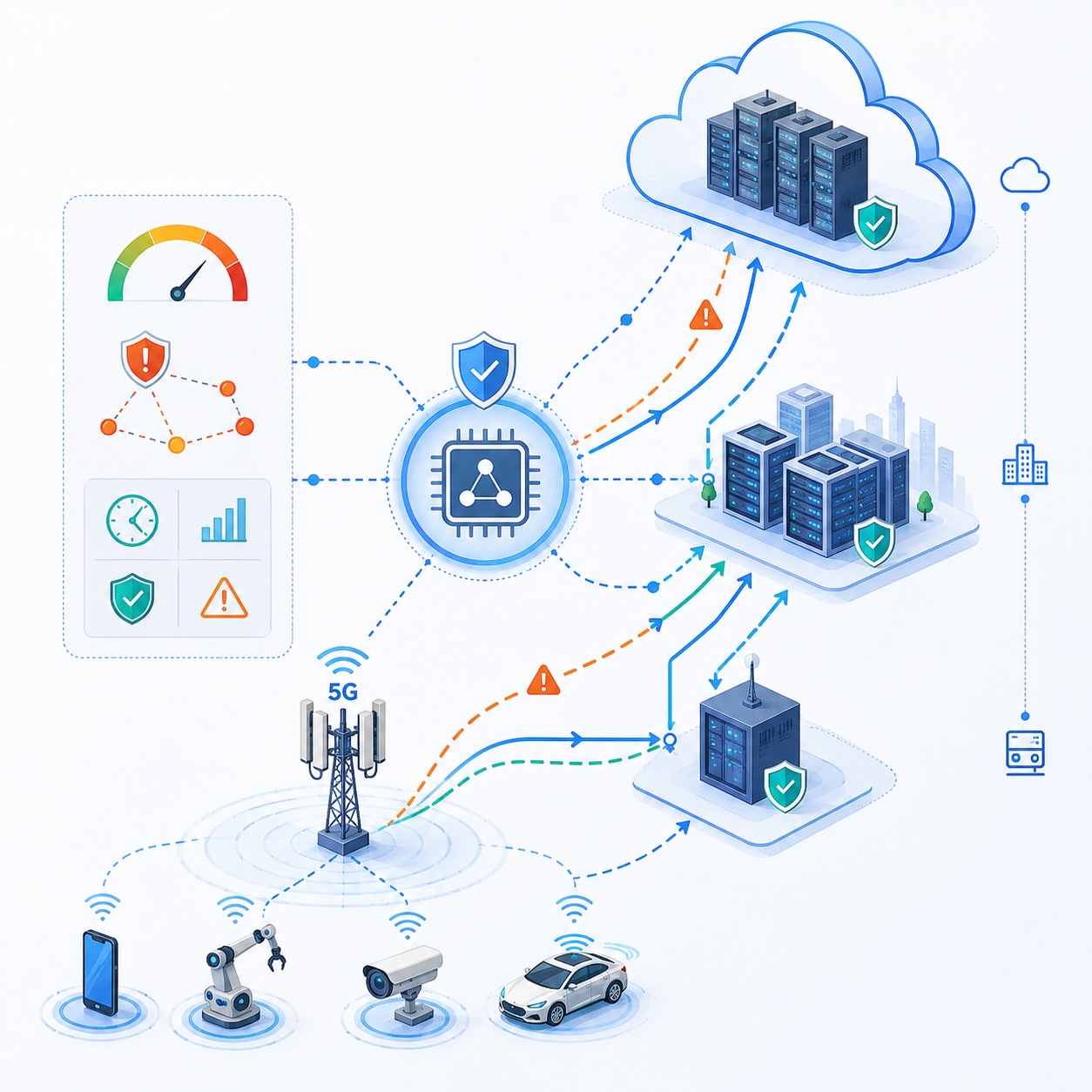
Our paper "Risk-Aware Resource Orchestration in Multi-Tier 5G Edge-Cloud Networks" was accepted in Intent-Driven Network: Techniques and Applications, Springer Wireless Network Series. Congratulations Xingqi!
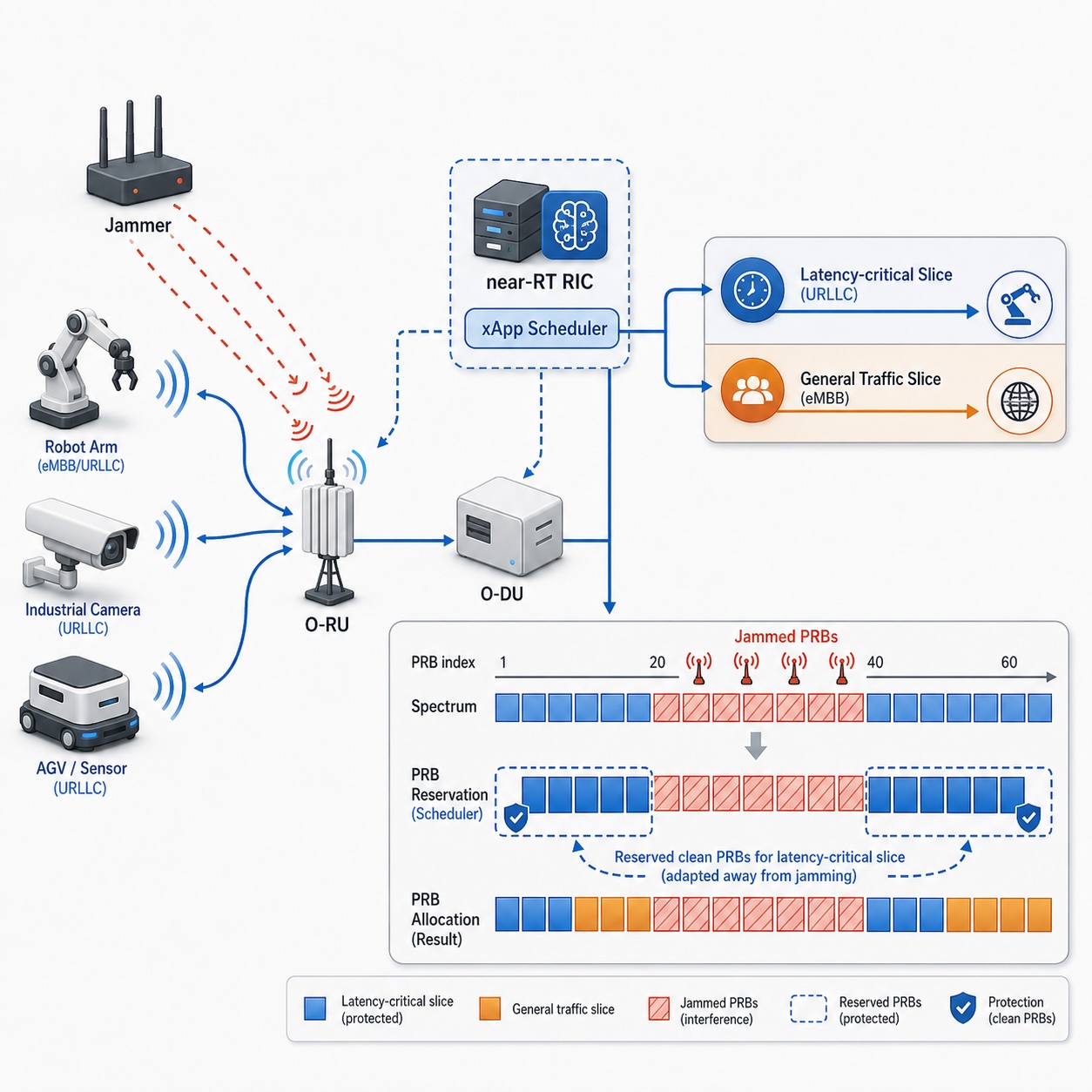
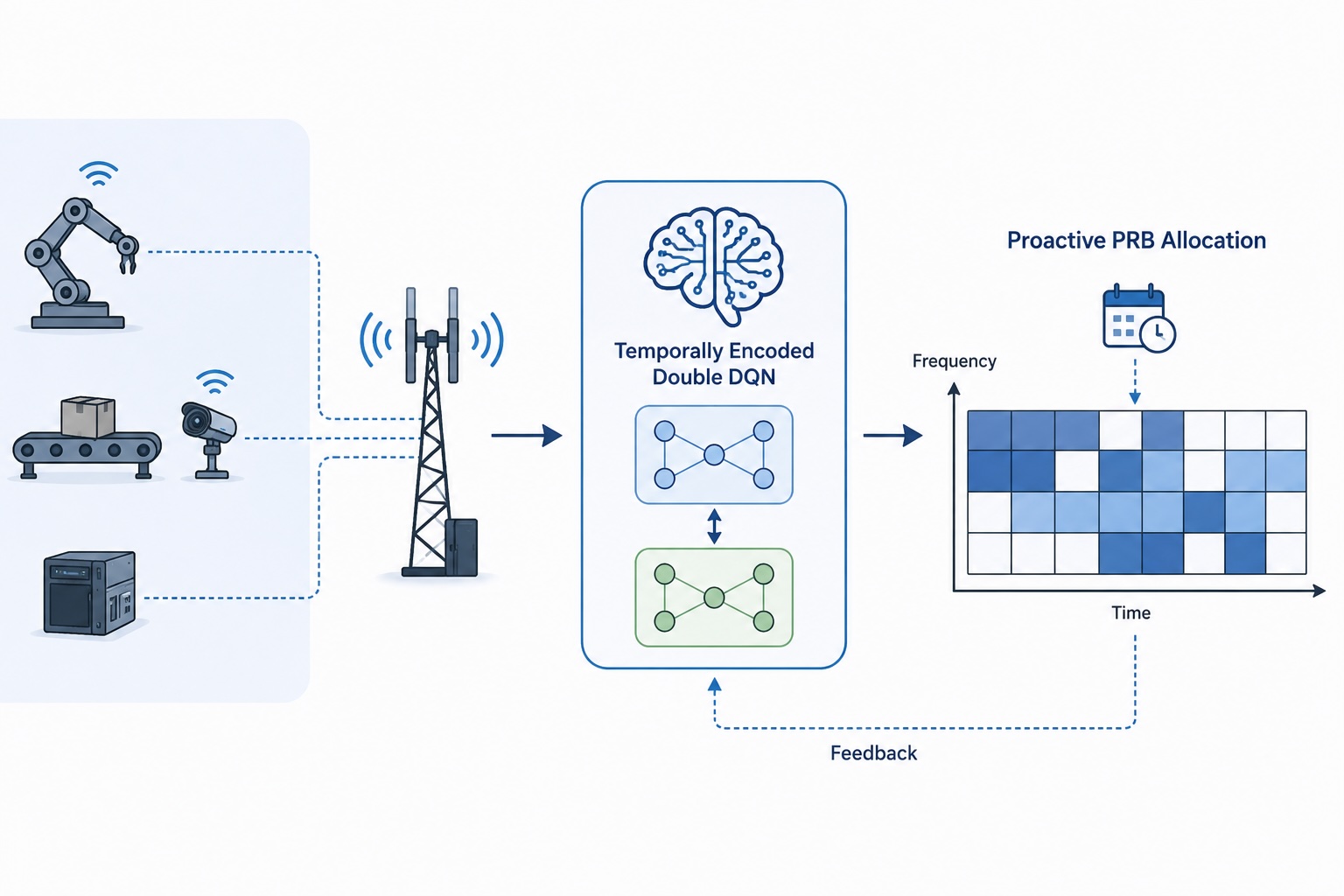
Our paper "Jamming-Resilient PRB Reservation for Latency-Critical O-RAN Network Slicing" was accepted in IEEE DySPAN 2026 ML-Spec Workshop, Washington D.C., USA. Congratulations Elahe!
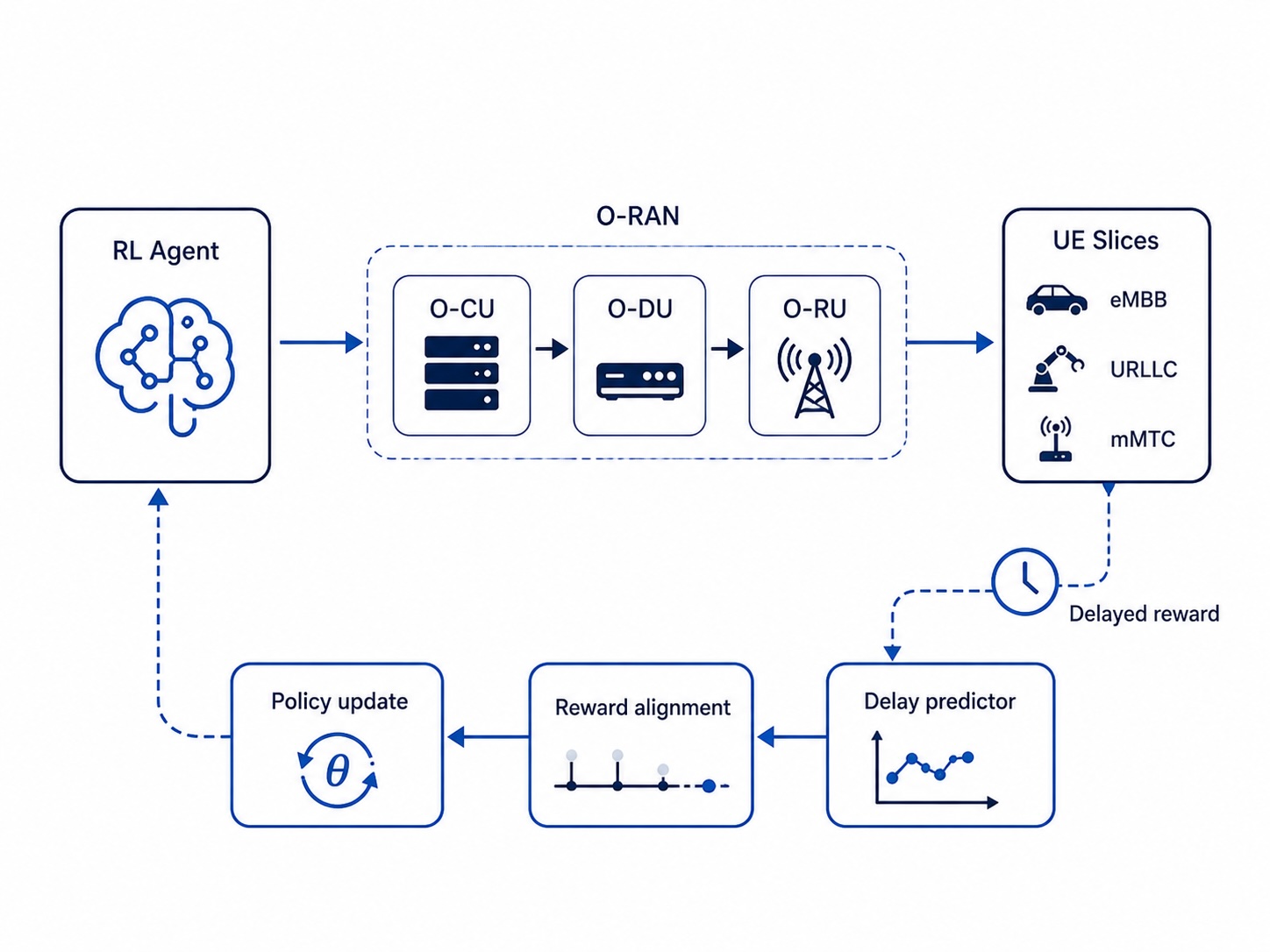
Our paper "Delay-Aware Reinforcement Learning for O-RAN Control under Stochastic Reward Feedback" was accepted in IEEE Networking Letters. Congratulations Xingqi!
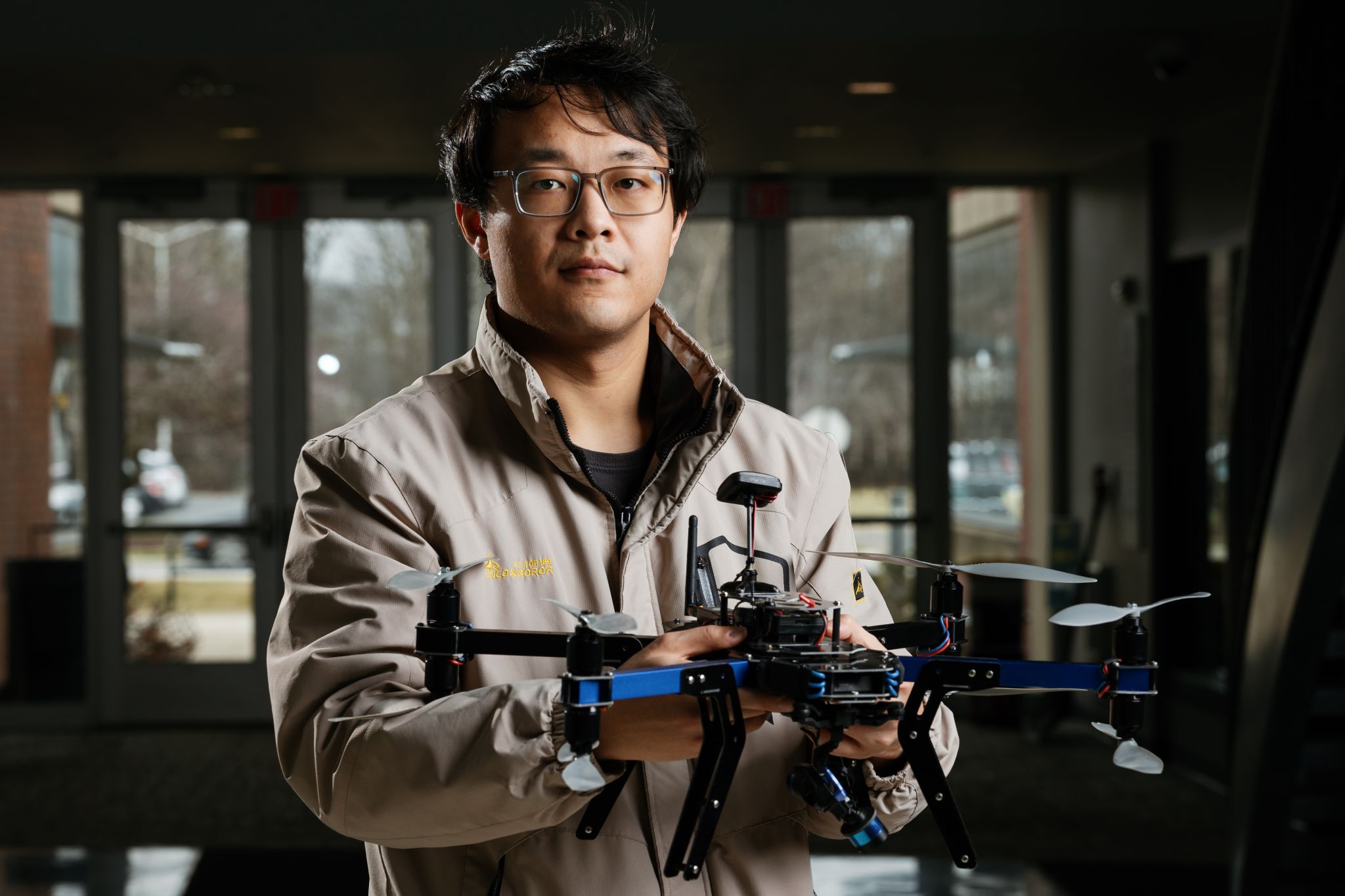
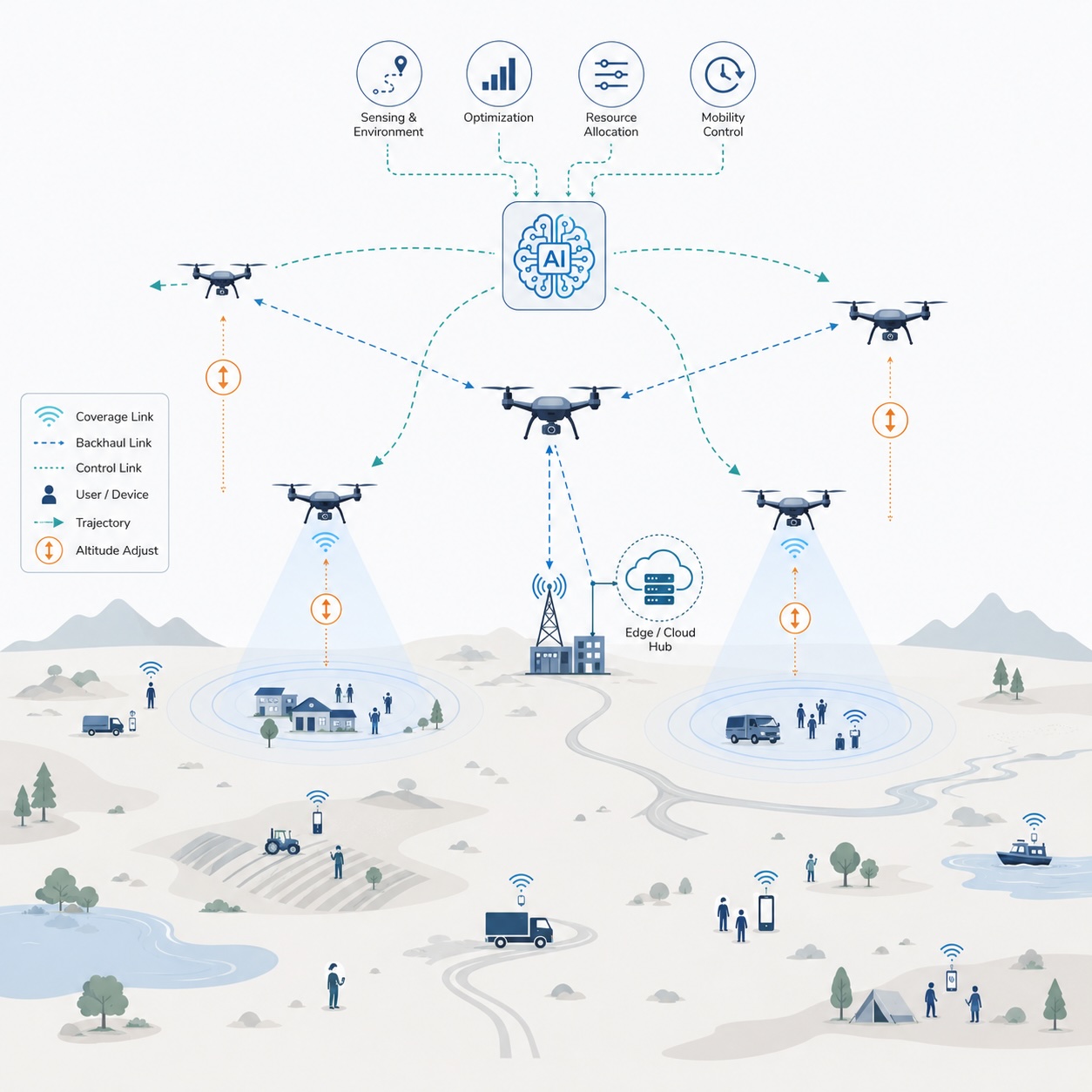
Our paper "Dynamic Multi-Modal UAV Control for Optimized Coverage and Backhaul Connectivity in Spatially Unstructured and Dispersed User Environments" was accepted in IEEE Transactions on Mobile Computing. Congratulations Yuhui!
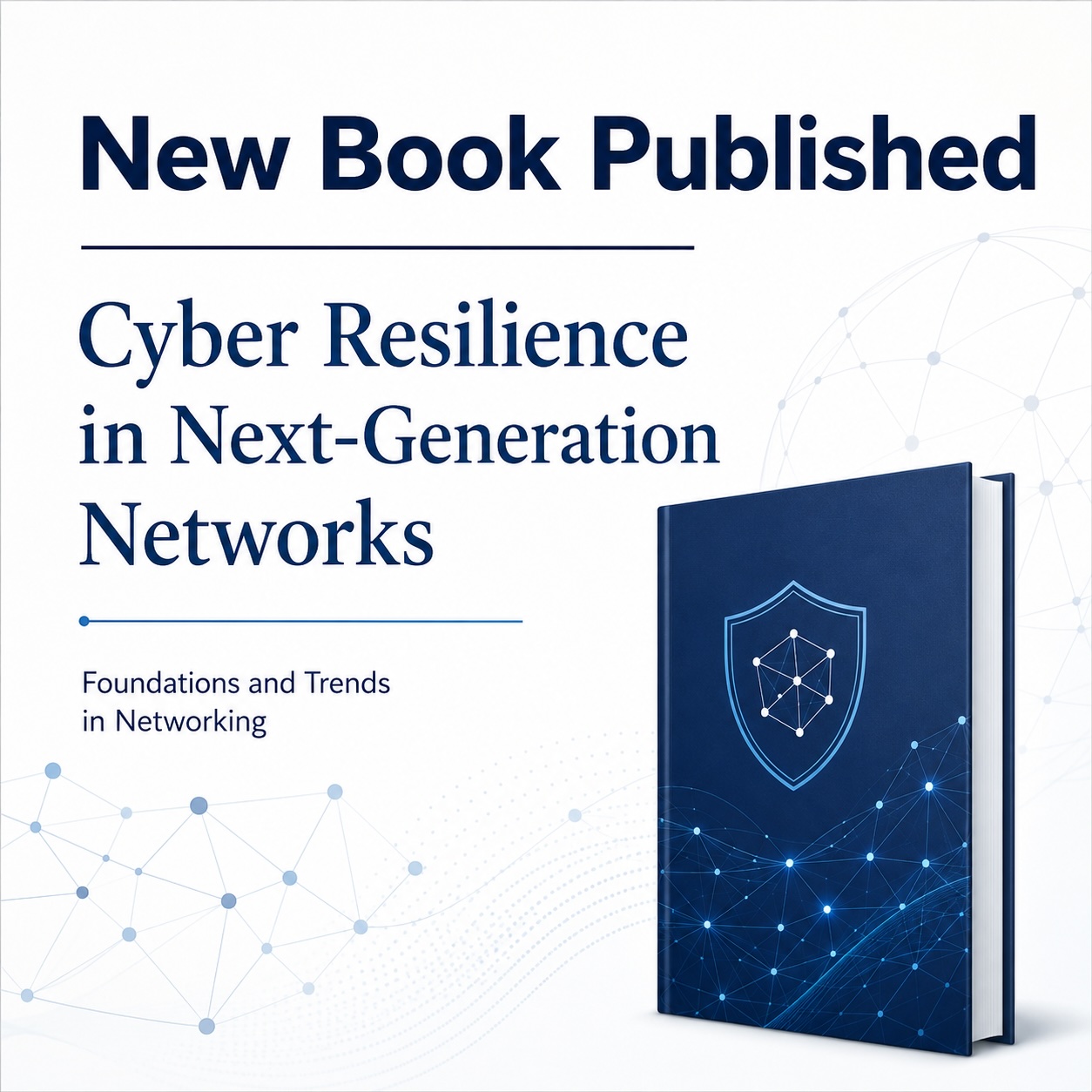
New book published: Cyber Resilience in Next-Generation Networks (Foundations and Trends in Networking).
My group builds networks that stay secure and keep working under stress, attack, and uncertainty, from the wireless edge to autonomous systems.
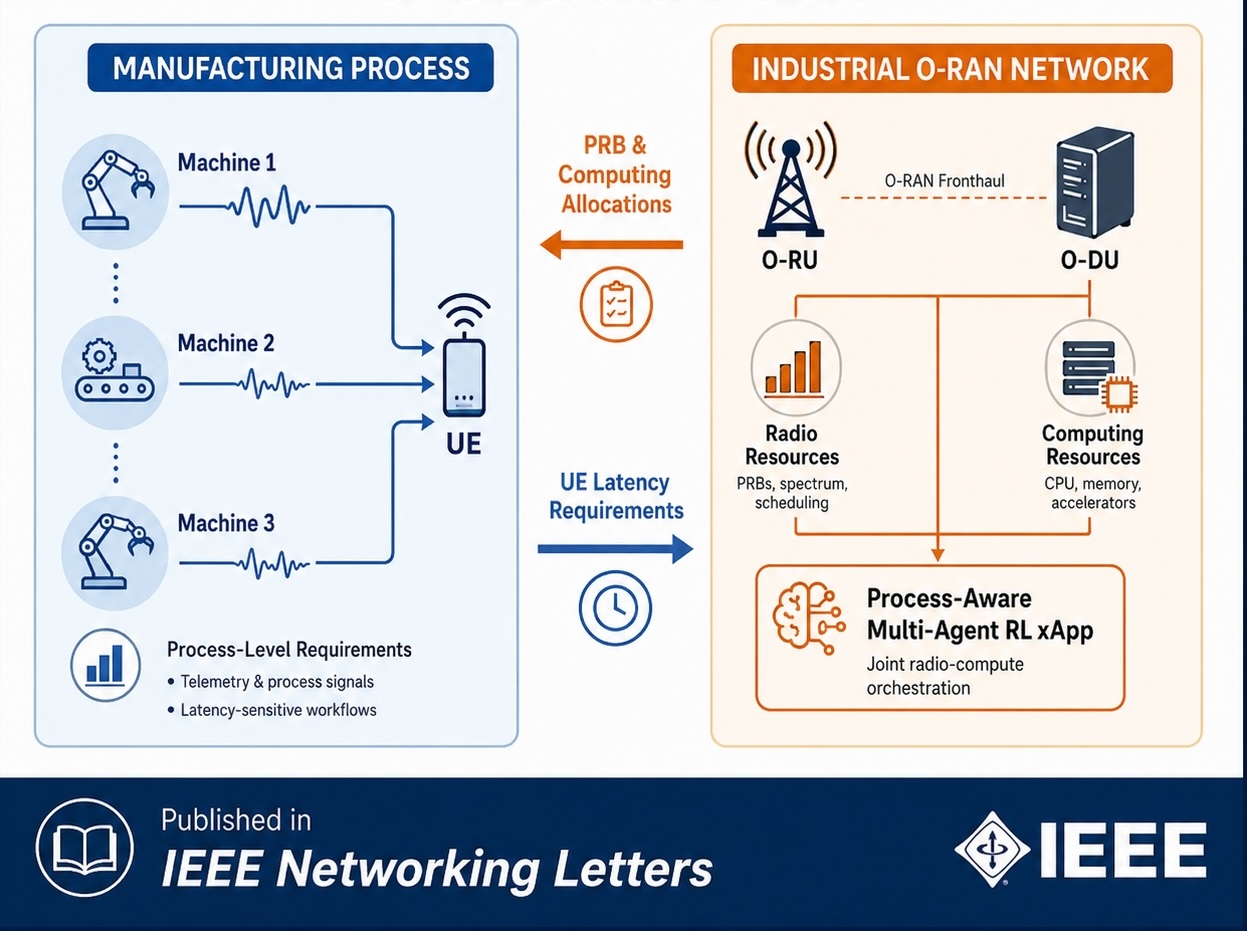
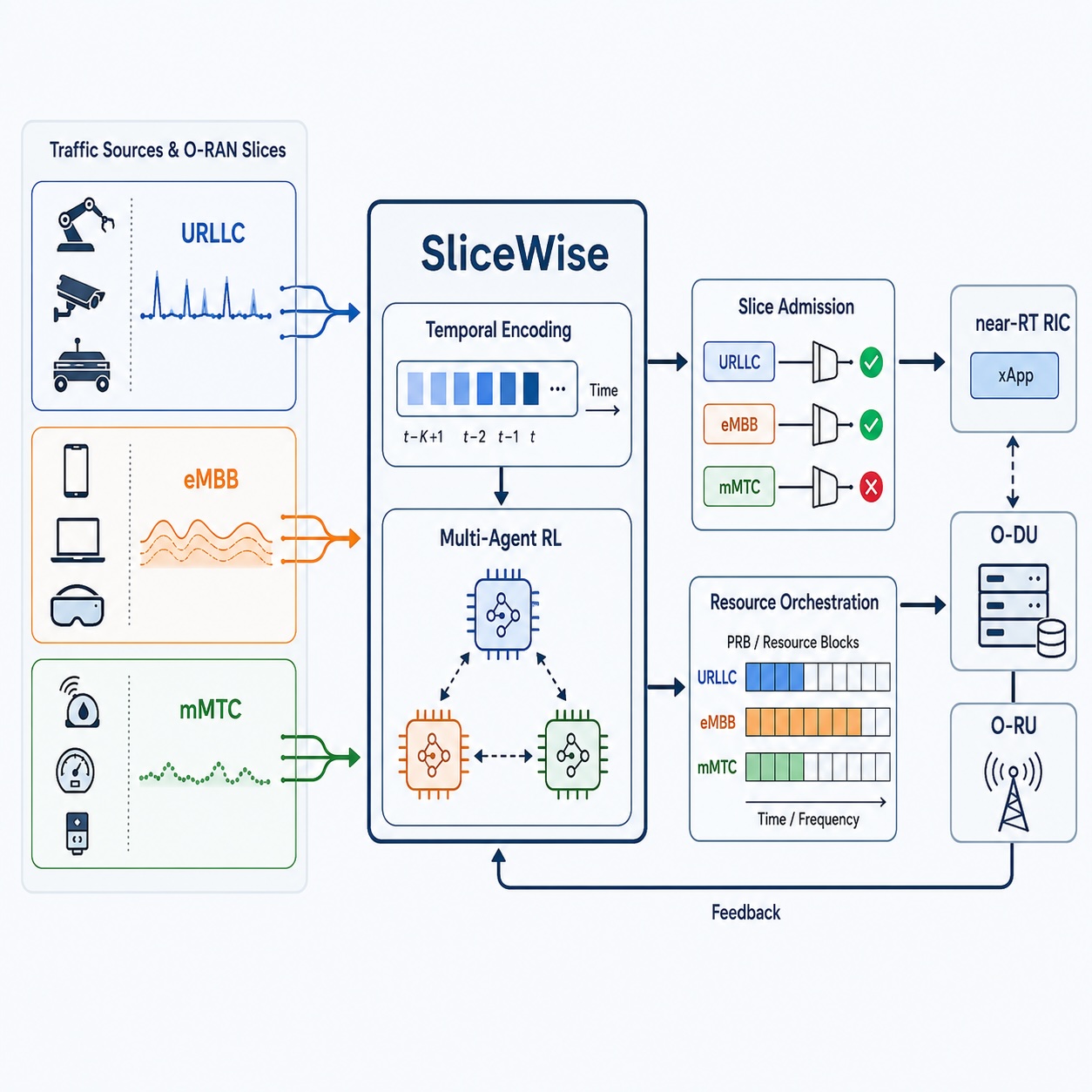
Network slicing, admission control, and multi-agent resource orchestration for 5G and 6G open radio access networks, with a focus on ultra-reliable low-latency communications.
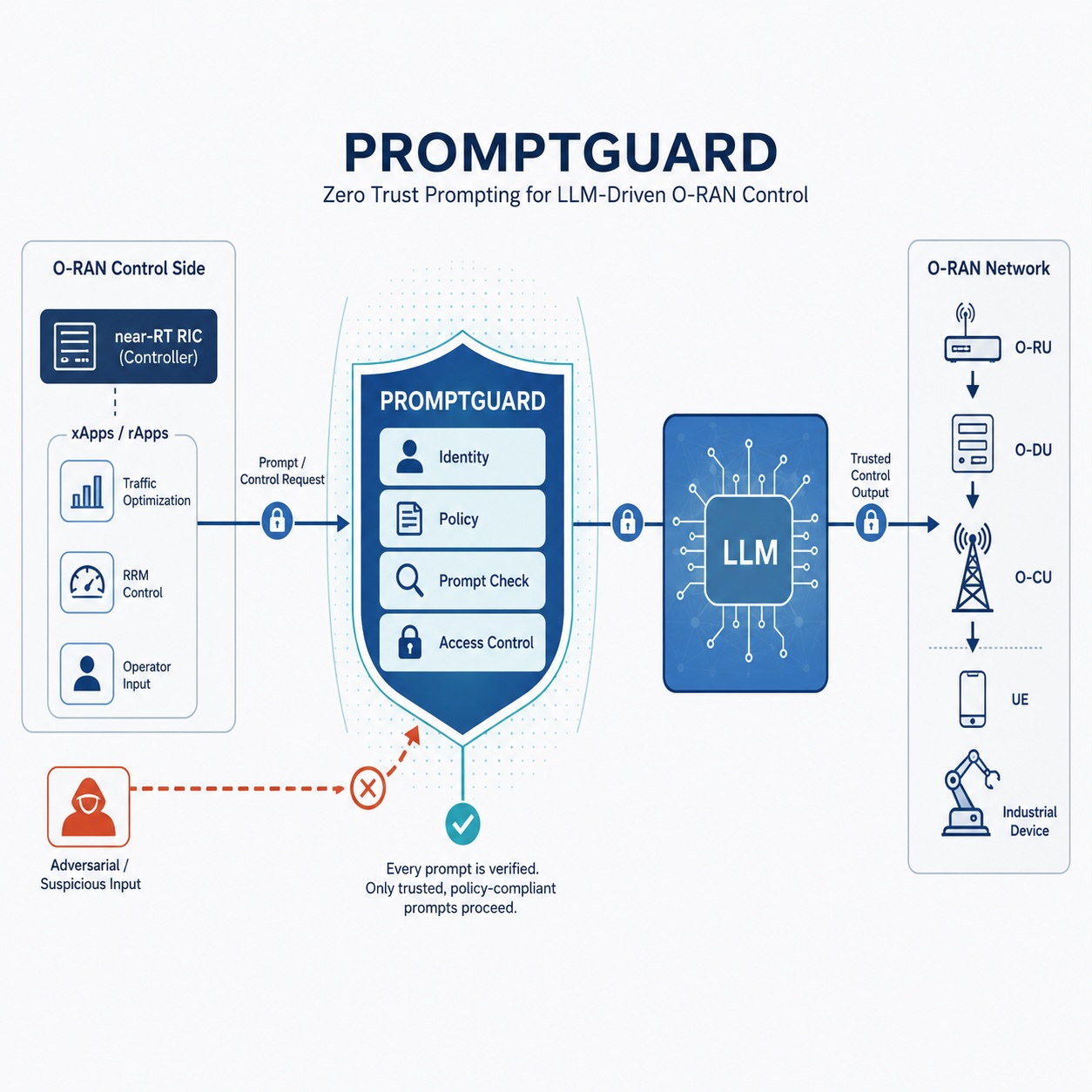
Proactive and automated security for untrusted infrastructure, including zero trust architectures, cyber risk quantification, and supply chain risk analysis for mission-critical systems.
Distributed orchestration of UAV networks for coverage, connectivity, and resilient service delivery in dynamic, infrastructure-challenged, and contested environments.
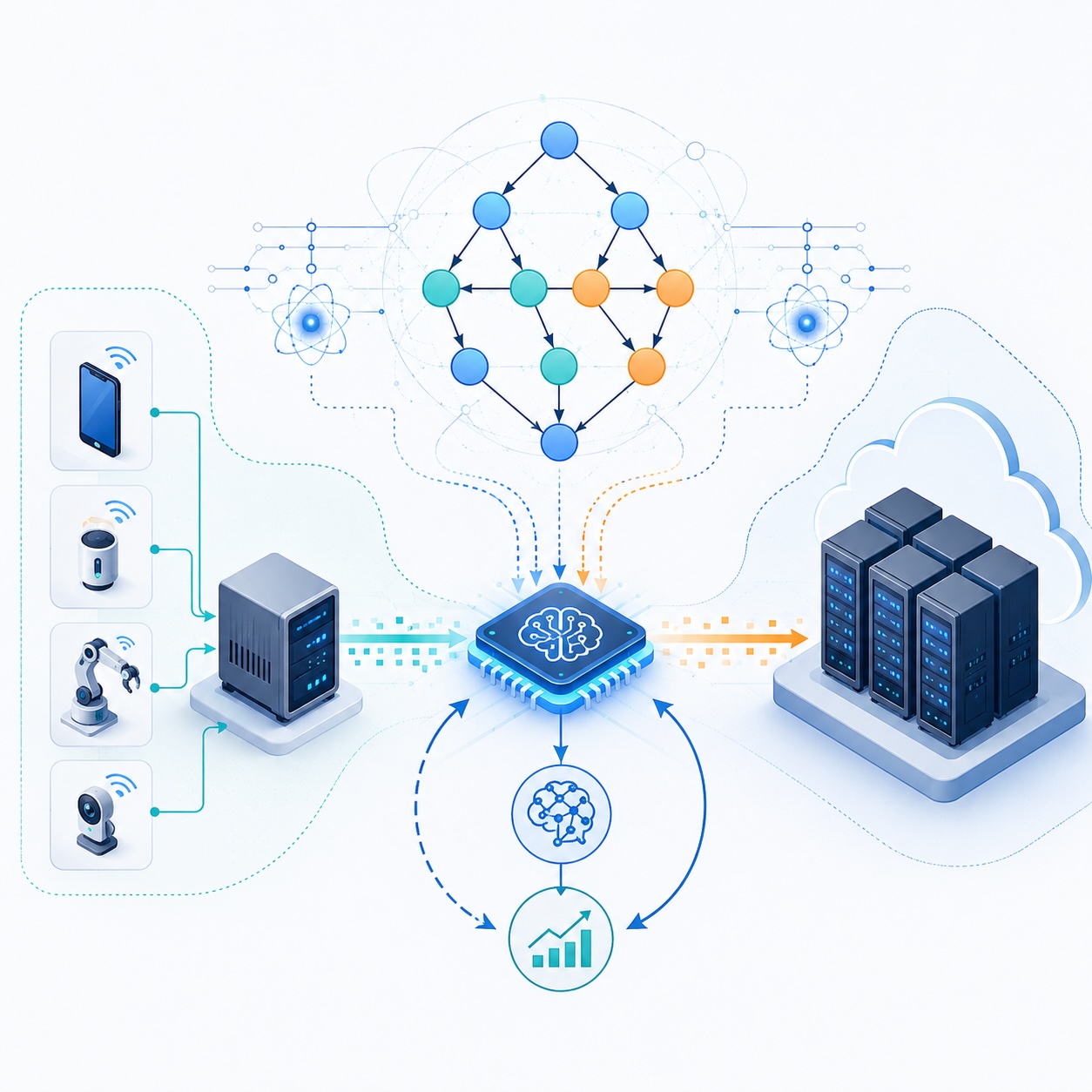
Reinforcement learning, agentic AI, and large language model methods for autonomous management and orchestration of next-generation networks.
Prospective students and collaborators interested in NextG networks, cyber resilience, and autonomous systems are welcome to reach out.